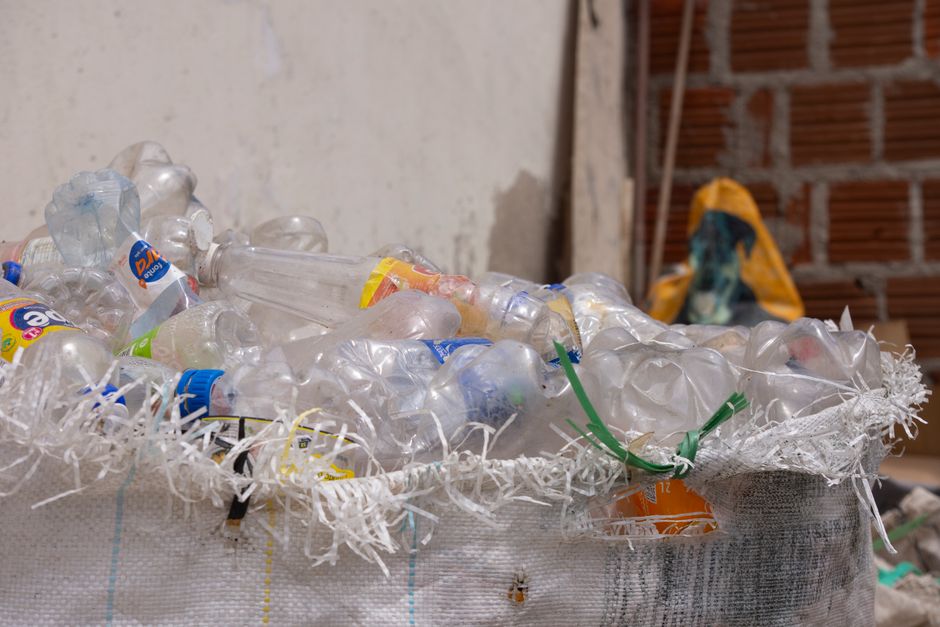
Tooting cafes reduce costs with regular rubbish collection
Running a cafe in Tooting is never just about good coffee and a decent pastry display. It is also about keeping the back of house under control, and that usually means dealing with waste before it becomes a headache. Tooting cafes reduce costs with regular rubbish collection because it helps cut avoidable mess, time waste, pest risk, and those awkward last-minute clear-ups that always seem to happen at the busiest moment. Simple enough in theory. In real life, of course, bins fill up faster than people expect on a rainy Saturday morning.
This guide explains how regular rubbish collection works for cafes, why it can save money, which mistakes cost businesses more, and how to build a waste routine that feels practical rather than fussy. If you manage a small espresso bar, a brunch spot, or a busy takeaway cafe near Tooting Broadway, you will find useful, down-to-earth advice here. And yes, there is a difference between "we empty the bin when it overflows" and "we run a proper collection schedule" - a big one.
Table of Contents
- Why it matters
- How regular collection works
- Key benefits and practical advantages
- Who needs this and when it makes sense
- Step-by-step guidance
- Expert tips for better results
- Common mistakes to avoid
- Tools, resources and recommendations
- Law, compliance, standards and best practice
- Options, methods and comparison
- Case study or real-world example
- Practical checklist
- Conclusion
- Frequently asked questions
Why Tooting cafes reduce costs with regular rubbish collection Matters
Cafe waste is not just an eyesore. It touches labour time, stock control, customer experience, health and safety, and even the pace of your service. When rubbish piles up, staff spend longer carrying bags, sorting cartons, wiping sticky floors, and moving around clutter. That is time pulled away from serving customers and making sales.
In a place like Tooting, where cafes can be compact and footfall may spike unpredictably, waste pressure builds fast. A single rush can generate paper cups, food prep scraps, takeaway packaging, and soiled cardboard all at once. If collection is irregular, the back room starts to feel cramped. Fridge access gets awkward. Recycling gets mixed with general waste. Then the whole system becomes a bit of a muddle.
Regular rubbish collection helps reduce those hidden costs. Not dramatic savings on paper, maybe, but real ones in day-to-day operations. You spend less time managing overflow, less time dealing with complaints about smell or mess, and less money on avoidable clean-downs and emergency clearances. To be fair, the quiet savings are often the ones that matter most.
Expert summary: In cafe operations, waste is rarely only a disposal issue. It is a workflow issue, a hygiene issue, and a cost-control issue all at once. Regular collection keeps those three things aligned.
If you already use a broader business waste removal service, it can be worth reviewing whether your cafe schedule is actually matched to your busiest days rather than simply ticking over in the background.
How Tooting cafes reduce costs with regular rubbish collection Works
The basic idea is straightforward: instead of waiting until waste becomes a problem, you create a repeatable collection rhythm that matches how much rubbish your cafe generates. That rhythm may be daily, several times a week, or set around delivery days and peak trading times. The best schedule is not always the cheapest on paper; it is the one that prevents waste from interrupting service.
In practical terms, regular collection usually works in a few layers:
- Bin segregation: general waste, recycling, food waste, and cardboard are separated where possible.
- Set collection times: staff know when bins are emptied so overfilling is less likely.
- Back-of-house routines: bags are tied, stored safely, and moved before they create congestion.
- Overflow planning: when trade is heavier than usual, collections can be adjusted instead of becoming an emergency.
There is also a money angle that many operators underestimate. Overflow waste often leads to extra handling, extra bin liners, extra cleaning products, and more staff time. If waste is left too long, contamination can affect recycling streams too. That is where a low-cost routine becomes an expensive mess. Nobody wants to peel a damp pizza box off the floor at 9:10 a.m. while customers are waiting for flat whites.
For cafes that also manage furniture turnover, small refurbishments, or seasonal storage changes, linking rubbish collection to wider clearance planning can help. Services such as furniture clearance or furniture disposal may be relevant when you are replacing stools, tables, or shelving rather than trying to sneak broken items into ordinary waste bags. That distinction matters.
Key Benefits and Practical Advantages
The strongest benefits of regular rubbish collection are practical, not flashy. They show up in how smoothly the cafe runs on a busy Tuesday morning or during a rainy weekend rush. Here are the main ones worth paying attention to.
1. Lower labour waste
If staff are constantly carrying rubbish out, tidying around overflowing bins, or trying to separate mixed waste after the fact, that is labour time you are paying for. A proper collection routine reduces those interruptions. The shift becomes calmer. Less scrambling, less double-handling.
2. Better hygiene and smell control
Cafes live and die by how clean they feel. Regular rubbish collection helps stop odours from building up, especially around food waste, milk containers, and packaging in warm weather. In a small premises, even a slightly sour smell can hang around. Customers notice, even if they do not say anything.
3. Reduced pest risk
No one wants to deal with flies, rodents, or the suspicion of them. Waste that sits too long provides a tempting target. Regular removal reduces the conditions that attract pests in the first place. That does not remove every risk, obviously, but it makes the environment much less inviting.
4. More usable space
Back-of-house space is precious in Tooting cafes. If bins are overflowing, they start occupying room that should be used for prep, storage, or staff movement. Regular collection keeps walkways clear and reduces the chance of accidents. It also just feels better. Less clutter, less pressure.
5. Better recycling performance
Waste streams work best when they stay clean. Cardboard contaminated by coffee grounds or general waste is harder to recycle. Good collection timing supports better separation at source, which can reduce waste disposal costs and make your sustainability efforts more believable, not just decorative.
6. Fewer emergency call-outs
When waste is managed on a schedule, you are less likely to need urgent, expensive clear-ups because bins are overflowing right before service. It is the same logic as regular maintenance on a boiler: cheap prevention is usually better than a panicked fix. Simple, really.
| Waste approach | What it usually looks like | Cost impact | Operational impact |
|---|---|---|---|
| Ad hoc disposal | Bins emptied when full, no fixed rhythm | Often uneven and hard to predict | More mess, more interruptions, more stress |
| Basic scheduled collection | Regular pickups, some bin separation | More controlled and easier to budget for | Cleaner working areas and steadier workflow |
| Fully planned waste routine | Collection matched to trading patterns and waste types | Usually the best balance of cost and efficiency | Less overflow, better hygiene, less staff disruption |
Who This Is For and When It Makes Sense
Regular rubbish collection makes the most sense for cafes that generate steady waste throughout the day rather than only at closing time. That includes breakfast spots, sandwich cafes, brunch venues, takeaway-led businesses, dessert cafes, and hybrid spaces that sell food plus retail items. If your customers are coming and going all day, your bins will be too.
It also makes sense if your cafe has any of these conditions:
- limited storage behind the counter
- a small basement, yard, or rear service area
- high takeaway packaging use
- food prep waste that builds up quickly
- shared premises with a landlord-managed bin arrangement
- complaints about smell, flies, or clutter
If you are in the middle of a refit, a stockroom tidy-up, or a change of layout, it can also be useful to think beyond day-to-day bins. A cafe that is replacing furniture, clearing an old store room, or reworking the basement may need a one-off service alongside routine collection. In that situation, a broader service such as office clearance or flat clearance may be useful where the spaces are mixed-use or above the shop. Not every premises is a neat little box, let's face it.
If your cafe is tiny, regular collection can feel optional at first. Then one busy Saturday hits, the staff bin starts overflowing with latte cups and napkins, and suddenly it is not optional anymore. That is usually how people learn.
Step-by-Step Guidance
If you want regular rubbish collection to actually reduce costs, the process needs to be deliberate. Here is a simple way to approach it.
- Audit your waste for one ordinary week. Look at what fills up fastest: food waste, cardboard, packaging, mixed rubbish, or glass. Do not guess if you can avoid it.
- Identify problem times. Some cafes waste more after lunch, some after delivery days, and some after weekend trade. That timing is useful.
- Separate waste streams properly. Put recycling in the right place and train staff to keep it clean. Contamination is where costs often creep in.
- Set a collection frequency that matches reality. A quiet weekday-only setup is one thing. A seven-day brunch cafe is another entirely.
- Build a close-of-shift routine. Staff should know who ties bags, who checks the yard, and who spots overflow before it spreads.
- Review after a fortnight. If bins are still overfilling, the schedule is too light. If you are paying for too much capacity, trim it back carefully.
A useful trick is to keep waste review short but regular. Five minutes at the end of the week is often enough. You do not need a grand spreadsheet empire. Just enough visibility to see what is changing and why.
If old stock, packaging, or equipment is clogging up a storage space, you might want to pair your waste schedule with a targeted clear-out. That could mean garage clearance for a back-store room, or waste removal for mixed items that should not be left to sit. It depends on the layout, and cafe layouts are rarely perfect.
Expert Tips for Better Results
Here are the practical refinements that make the biggest difference in real cafes. The sort of details that do not sound glamorous but save money month after month.
- Position bins where waste is created. If staff need to walk three extra times across the kitchen, bins will be used badly. Convenience wins every time.
- Label waste streams clearly. A printed sign beats a verbal reminder that gets forgotten on the busy shift.
- Use a smaller internal bin if overflow is common. It sounds odd, but a smaller bin can prompt earlier emptying and reduce compaction problems.
- Match collection timing to deliveries. If cardboard is building up after supplier drops, collect after the drop rather than before it.
- Keep an eye on liquids. Coffee, milk, and food residue turn "simple waste" into a slippery, smelly problem very quickly.
- Train new staff early. Waste routines are one of those things that get missed in handover, then everyone suffers a bit. Not ideal.
A good operator also reviews the whole site, not only the bins. A cramped store room, a blocked side alley, or a poorly placed dustbin can undo a lot of good work. If the furniture layout is part of the problem, a planned refresh using furniture disposal may open up space and make collections easier. Small changes, sometimes big payoff.
And yes, ask staff what is actually happening during the rush. They usually know where the bottleneck is before management does.
Common Mistakes to Avoid
Most waste problems in cafes are not mysterious. They come from a handful of repeat mistakes. Avoid these and you are already ahead.
- Waiting until bins overflow. This is the classic one. By then, you are already paying in mess and time.
- Using one collection schedule for every day. Monday morning and Friday evening are not the same thing. Why treat them that way?
- Mixing recyclables with food waste. Once contamination starts, the value of sorting drops quickly.
- Ignoring back-of-house congestion. Waste that blocks a prep area slows everything down.
- Forgetting seasonal changes. Summer footfall, holiday trade, and event days can all shift waste volumes.
- Assuming the cheapest option is the best one. If it creates more labour, spillages, or emergency handling, it is not really cheap.
One more thing: do not leave bulky items lingering because they are "not really waste yet". Broken chairs, cracked shelves, and worn-out counters have a way of becoming permanent residents if nobody makes the call. It happens everywhere.
Tools, Resources and Recommendations
You do not need fancy software to run a decent cafe waste system, but a few simple tools help a lot. Think practical, not precious.
- Waste log sheet: a simple paper or digital note of how full bins get and when.
- Colour-coded bins: useful for reducing mistakes during a busy shift.
- Shift handover checklist: a short note so evening and morning teams stay aligned.
- Storage labels: especially helpful if your cafe also stores packaging, cleaning items, or spare furniture.
- Photo record: a quick image of the bin area before and after service can reveal patterns you miss in the moment.
For businesses wanting a more structured approach, it can help to review recycling and sustainability guidance alongside the collection plan. That keeps the conversation practical rather than idealistic. Sustainability only matters in operations if people can actually follow it on a wet Thursday afternoon.
Where furniture, fixtures, or old stock are involved, you may also need support from home clearance style services for mixed contents or house clearance for larger clear-outs if a cafe is being refurbished in a residential-style unit or mixed property. The exact service depends on the premises and the volume involved.
Law, Compliance, Standards and Best Practice
Waste handling for cafes in the UK should be approached with care. You do not need to become a legal expert, but you do need to follow sensible business waste practices and use reputable collection arrangements. In general, that means keeping waste secure, separating it properly where possible, and ensuring it is transferred to an authorised collector or facility.
For food businesses, hygiene expectations matter too. Waste should not attract pests, create smells, or contaminate food prep areas. Staff should be trained to handle rubbish safely, and collection points should be kept clean and accessible. That sounds obvious, but obvious is exactly where trouble often starts.
A few best-practice principles are worth keeping in mind:
- Duty of care: make sure waste is passed to the right party and handled responsibly.
- Segregation: keep recyclables, food waste, and general waste apart where practical.
- Safe storage: do not block fire exits, walkways, or food prep areas.
- Training: staff should know what goes where and what to do if a bin is overflowing.
- Documentation: keep the records you need for your business waste arrangements and contracts.
If your cafe is part of a larger commercial unit, or if you share access with other tenants, clear arrangements matter even more. Shared bins can create friction, and frankly, they can become a bit of a political issue. It is better to sort that out early than after the landlord gets a complaint.
For business owners who want to understand service standards, it can also help to review provider policies such as health and safety policy, insurance and safety, and terms and conditions. Those pages help set expectations around working methods, responsibility, and what is included.
Options, Methods and Comparison
There is more than one way to manage cafe rubbish, and the best choice depends on waste volume, premises size, and how busy your service periods are. Here is a simple comparison.
| Method | Best for | Strengths | Trade-offs |
|---|---|---|---|
| In-house bin management only | Very small cafes with light waste | Simple, low setup | Can fail quickly during busy periods |
| Scheduled rubbish collection | Most cafes with steady daily trade | Predictable, cleaner, easier to budget | Needs regular review to stay efficient |
| Scheduled collection plus periodic clear-outs | Cafes with storage, bulky items, or refurbishments | Covers both day-to-day waste and one-off clutter | Requires a little more planning |
For many Tooting cafes, the strongest setup is the middle one, with the third option added when needed. Regular collection keeps operations steady, while occasional clearance handles the awkward stuff that does not belong in everyday bins. That balanced approach tends to work best in the real world.
Case Study or Real-World Example
Take a small cafe near a busy high street in Tooting. It serves breakfast, lunch, and plenty of takeaway coffee. At first, the team empties the internal bins whenever they look full. Simple enough. But by midday, the back area starts to crowd up with cardboard sleeves, food waste, and plastic packaging. Staff begin doing extra bin runs. Floors get sticky around the waste point. It all feels slightly off, even before the complaints start.
Once the cafe introduces a regular collection routine, a few things change. Staff empty the bins at known times instead of waiting for panic mode. Cardboard is stacked separately, so it stays drier and cleaner. Food waste is removed before it starts smelling. The back room becomes usable again. Nothing glamorous, but the daily pressure drops.
The owner also notices a subtle shift: the team seems less frazzled. Not because waste is exciting now - obviously not - but because the constant little interruptions stop happening. In hospitality, that matters more than people think. A smoother shift usually means better service, and better service is where the business actually earns its money.
That kind of improvement is often what people mean when they say Tooting cafes reduce costs with regular rubbish collection. It is not one huge saving. It is a pile of tiny savings that stop bleeding away time and energy.
Practical Checklist
Use this quick checklist if you are reviewing your cafe waste routine this week.
- Do we know what type of waste fills up fastest?
- Are collection times matched to our busiest service periods?
- Are bins easy for staff to access without blocking prep areas?
- Is food waste stored safely and removed often enough?
- Are recyclables kept clean and separate?
- Do staff know what to do when bins fill early?
- Are bulky or broken items being dealt with properly?
- Have we reviewed our setup after a busy week or seasonal spike?
- Do we have a clear record of collections and responsibilities?
- Are cleaning and waste routines working together rather than against each other?
If you can answer "yes" to most of those, you are probably in decent shape. If not, there is a good chance you are leaking money in small, annoying ways. Happens more often than people admit.
Get a free quote today and see how much you can save.
Conclusion
Regular rubbish collection is one of those cafe improvements that looks minor from the outside and feels major once it is in place. It lowers avoidable labour, keeps spaces cleaner, supports better hygiene, and reduces the chance of messy surprises during service. For Tooting cafes especially, where space is often tight and trade can change quickly, that consistency is worth a lot.
The best approach is not complicated. Know your waste patterns, schedule collections around real trading habits, separate waste properly, and keep reviewing what is happening on the ground. Do that, and the cafe becomes calmer to run. Less clutter, less panic, more room for the things that actually matter: good coffee, good service, and a team that is not constantly fighting the bins.
And honestly, a tidy back room has a way of making the whole place feel better. Customers may never see it, but they can sense it. That quiet order behind the counter does its job every single day.
Frequently Asked Questions
How does regular rubbish collection reduce costs for Tooting cafes?
It reduces labour spent dealing with overflow, lowers cleaning and spill-related costs, helps avoid emergency clear-ups, and keeps the cafe running more smoothly during busy periods.
How often should a cafe arrange rubbish collection?
There is no single answer. It depends on trading hours, takeaway volume, food prep waste, and storage space. Many cafes benefit from a schedule that is more frequent than they first expect.
Is regular rubbish collection better than just emptying bins at closing time?
Usually, yes. Waiting until closing time can create smell, mess, and congestion during the day. Regular collection keeps waste from interrupting service.
What types of waste are most common in cafes?
Typical cafe waste includes food scraps, cardboard, cups, napkins, packaging, and general rubbish from customer seating and food prep areas.
Can better rubbish collection improve hygiene?
Yes. Removing waste regularly helps reduce smells, limits the chance of pests, and keeps prep and service areas cleaner.
What should I do if bins overflow during a busy week?
Review collection timing, check whether waste streams are being separated correctly, and look for the peak period causing the problem. If needed, increase the frequency before the issue becomes routine.
Does recycling really make a difference for cafe costs?
It can. Cleanly separated recycling is easier to manage than mixed waste, and better sorting can reduce contamination problems that waste both time and money.
What if my cafe is too small for multiple bins?
Even small cafes can improve waste handling with a better collection rhythm and a clearer internal routine. Sometimes the answer is not more bins, but better placement and more frequent emptying.
Do cafe owners need to keep records of waste arrangements?
Good business practice says yes. Records help show that waste is being handled responsibly and make it easier to review collections, costs, and service quality over time.
When should a cafe use a one-off clearance instead of normal collection?
Use a one-off clearance when dealing with bulky items, refurbishments, old fixtures, or an unusual build-up that does not fit the normal waste routine.
Can regular rubbish collection help with staff workflow?
Absolutely. When bins are predictable and easy to manage, staff spend less time firefighting small waste problems and more time serving customers.
Where can I learn more about business waste support?
If you are reviewing a broader waste setup, the site's pricing and quotes page is a sensible place to start, alongside the business waste and recycling information already mentioned above.